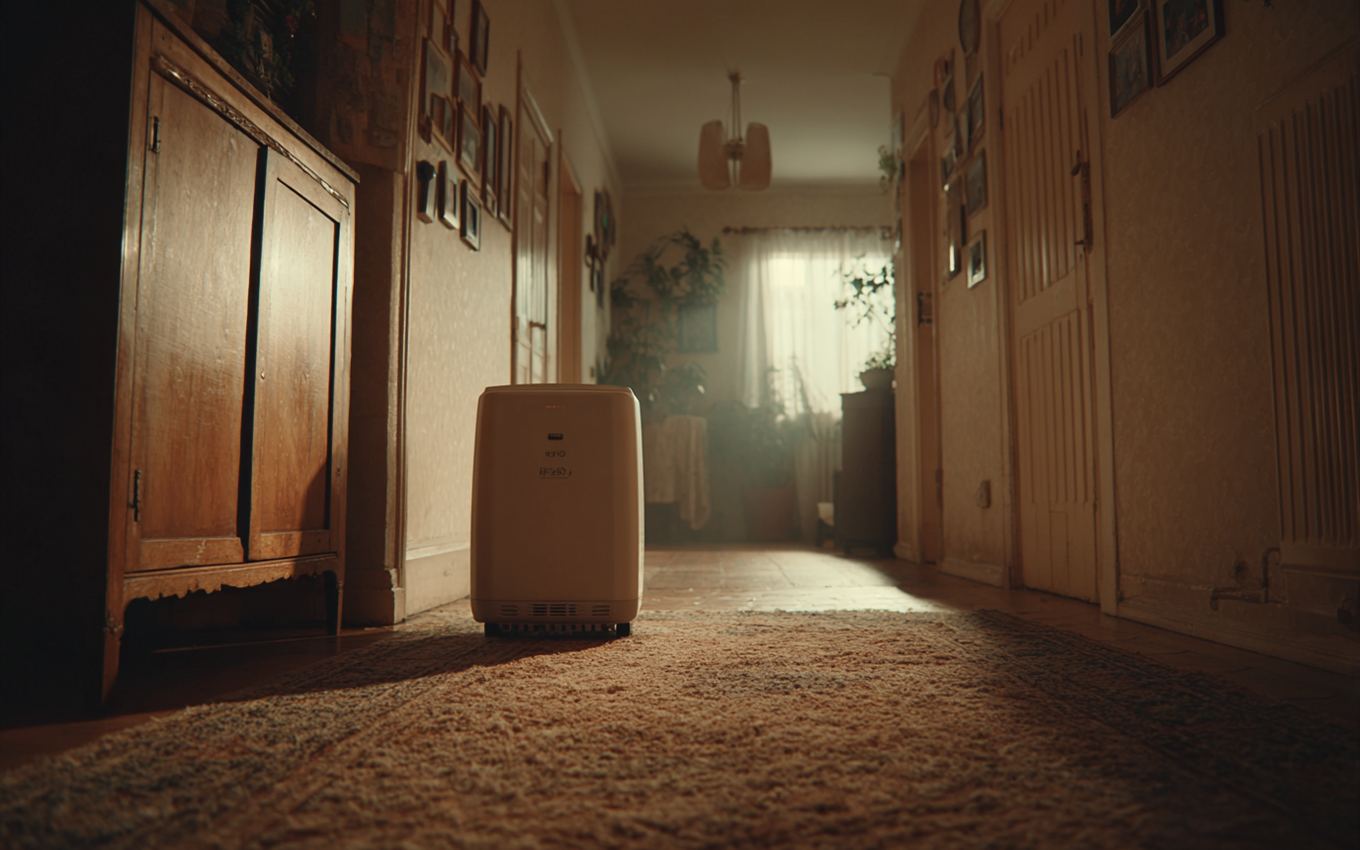
Once the water is out, the drying starts, and for a few days your house will sound like a small airport. Air movers roar across wet floors and walls. Dehumidifiers hum and pump water out of the air. It's the part of a water job that tests people's patience, and it's also the part that decides whether the repair holds. Here's what to expect and how to make it easier.
What's Running and Why
| Equipment | What it does | What you'll notice |
|---|---|---|
| Air movers | Blow air across wet surfaces to speed evaporation | Loud, steady airflow, often several per room |
| Dehumidifiers | Pull moisture out of the air and pump it to a drain or bucket | Hum, warmth, a hose to a sink or drain |
| Heaters (sometimes) | Raise air temperature so it holds more moisture | Warm rooms |
| Air scrubbers (sometimes) | Filter dust from demolition | Another fan noise |
The air movers dry the surfaces, and the dehumidifiers take the water those surfaces release. Both have to run together, day and night, to work.
How Long It Runs
Usually three to five days for a typical leak, sometimes longer for hardwood, wall cavities, a ceiling between floors or a manufactured home's belly. The company takes readings at each visit and removes equipment only when the materials read dry against the targets it set at the start. Turning equipment off early, even overnight, slows things down and can leave moisture behind.
Making It Livable
- Keep doors and windows closed in the drying area, especially in Puyallup's damp fall and winter. Opening them lets wet outside air in.
- Don't move or unplug equipment. It's placed and angled for a reason. If something's in the way, ask the company to move it.
- Expect the power bill to rise. Several machines running nonstop use real electricity. Keep that in mind for an insurance claim.
- Watch the breakers. Too many machines on one circuit can trip it. The company should spread the load.
- Keep pets out of rooms with equipment. Air movers can pull in fur, and cords are tempting to chew.
- Plan sleep. If the equipment is near bedrooms, some people sleep elsewhere for a few nights. White noise or earplugs help.
- Empty buckets if a dehumidifier collects water rather than pumping it, or ask how often the company will check.
In Shared Buildings
In a condo, townhome or apartment, neighbors will hear the equipment too, and the company may need access to more than one unit. Let them and the manager know what to expect and for how long.
What Gets Measured Each Visit
Each time the company comes back, it takes readings in the same spots it measured at the start, wet areas and dry reference spots alike. It also checks the air: temperature and relative humidity in the drying area, and sometimes outside, to make sure the dehumidifiers are pulling more water than is coming in. Equipment gets moved as some areas dry and others lag. A good company explains what the numbers mean and how close you are. Ask to see them. They're the best way to know when the noise will end.
When the Equipment Leaves
The equipment comes out when the wet materials read the same as the dry ones. Then the rebuild starts: new pad and carpet, drywall, paint, trim. That's often a separate schedule, sometimes a separate crew. Before anything is closed up, ask for the final readings, so you know the walls and floors were dry when they were covered.
Kids, Cords and Doorways
Air movers sit on floors and in doorways, with cords running to outlets. Kids and older adults can trip on them. Ask the company to route cords along walls and to leave a clear path through the house. If a machine blocks a door you need, ask before moving it, so the airflow can be reset.
Power and Outages
Puyallup-area windstorms knock power out a few times most winters. If the power drops during a drying job, the equipment stops. When it comes back, check that the machines restarted, and tell the company how long they were off so it can adjust the schedule. A few hours off won't ruin the job, but a full day can add a day to the drying.
Questions
Can I turn the fans off at night?
Ask the company first. Drying stops when the equipment stops, and the job takes longer.
Can we keep living here while it runs?
Usually, yes, unless there's demolition dust, electrical damage or the water came from a dirty source. The company can tell you.
Why is the room so warm?
Dehumidifiers give off heat, and warm air dries faster. That's normal.
Around Puyallup
Drying runs in homes everywhere, from South Hill townhomes to apartments in Parkland and established houses in Summit. In shared buildings, see apartments, condos and townhomes.
EPA on indoor air and dampness
Wet Carpet and Pad: What Can Be Saved
Which layers usually stay, which go, and why time matters.
Water Leaking Into the Ceiling Below a Bathroom
Toilet seals, supply lines, tubs and shower pans, and where each one shows below.