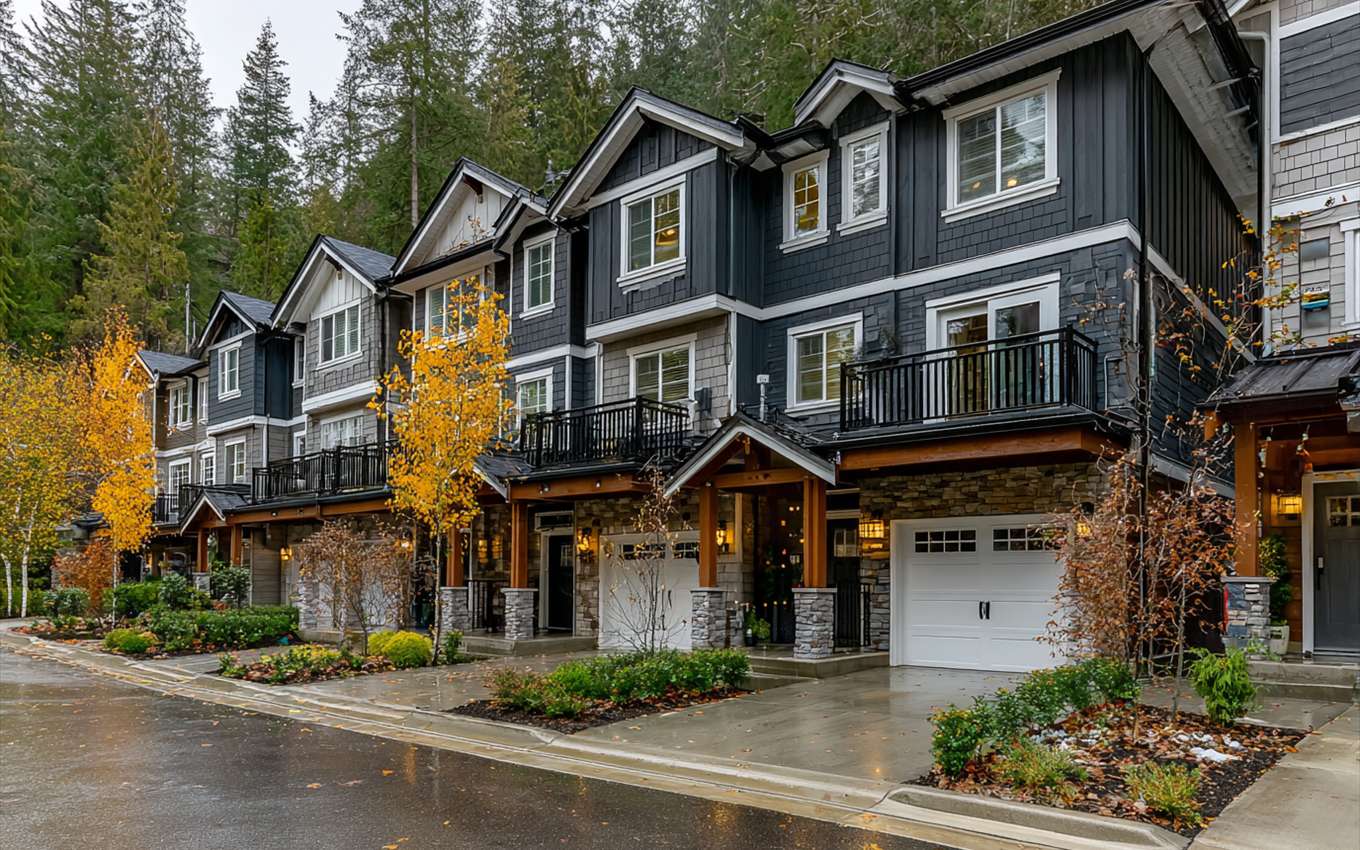
Most winters around Puyallup are wet rather than cold. Then, every few years, an arctic air mass settles over the south Sound for several days, and temperatures stay below freezing day and night. That's when pipes split. And it's not evenly spread. The hills around the valley, at around 500 feet, see more freezing nights and more snow than the valley floor. South Hill, Graham, Frederickson and the plateau south of Tacoma get the brunt of it.
Why the Hill Is Colder
Cold air is heavy. On calm, clear winter nights it pools in low spots, which can keep a valley floor cold too. But during a true arctic outbreak, the higher ground loses heat faster, gets more snow, and stays below freezing longer. A few degrees and a few extra hours below freezing are the difference between a pipe that's fine and one that splits.
Which Lines Split
Pipes don't freeze where the house is warm. They freeze where cold air reaches them:
| Where | Why it freezes |
|---|---|
| Garage walls | The garage is unheated, and many homes run supply lines along the shared wall |
| Hose bibs | An outside faucet with a hose still attached traps water in the line behind it |
| Crawlspaces | Lines near foundation vents get direct cold air |
| Outside walls | Lines to kitchen and bathroom sinks on exterior walls, especially behind cabinets |
| Under manufactured homes | Lines near the skirting, where the belly wrap is damaged or insulation is thin |
| Shops and outbuildings | Unheated space with lines that nobody's watching |
Why the Leak Starts Later
When water freezes in a pipe it expands, and the pressure splits the pipe. But while it's frozen, the ice plugs the crack, so nothing leaks. The water starts running when the pipe thaws, often a day or more later, sometimes when nobody's home. That's why a split line in a garage wall or a crawlspace can put a lot of water into a house before anyone notices.
Before the Freeze
- Disconnect hoses from outside faucets, and use insulated covers if you have them.
- Keep the garage door closed.
- Prop open the sink cabinets on outside walls, so house heat gets to the lines behind them.
- Let a faucet drip on the coldest nights if a line has frozen before.
- Keep the heat on if you're away, set no lower than the mid-50s.
- Find the main shutoff and turn it once to be sure it moves.
As It Thaws
Walk the house as temperatures climb above freezing:
- Check the garage walls and floor.
- Look under sinks on outside walls.
- Look in the crawlspace from the hatch, or under the skirting of a manufactured home.
- Run each outside faucet briefly and check the wall inside behind it.
- Watch the water meter with everything off. If it moves, something's leaking.
If you find water, close the main first, then call.
What a Split Line Does to a House
A half-inch supply line that splits inside a wall can put a lot of water into the house in an hour. In a garage wall, the water runs down inside the cavity, soaks the bottom plate and the drywall on both sides, and comes out under the door into the house. In a crawlspace, it soaks the insulation and pools on the vapor barrier. In an outside wall behind a kitchen sink, it wets the cabinet base and runs under the flooring. Each is a drying job, not just a pipe repair. The faster the main is closed, the smaller it is.
Townhomes and Shared Walls
In townhomes, a line that freezes in one unit's garage or outside wall can send water into the neighbor's unit. If you share walls, it's worth knowing where your neighbors' shutoffs are, or at least having a way to reach them, before the next cold snap.
Away for the Holidays
Cold snaps often come around the holidays, when people travel. Before a trip, set the heat no lower than the mid-50s and ask a neighbor to look in after any hard freeze.
Questions
Can I thaw a frozen pipe myself?
You can warm the area gently, by opening cabinet doors or running a space heater nearby at a safe distance. Never use an open flame. If the pipe has already split, thawing it will start the leak, so have the main shutoff ready.
Are newer houses safer?
Somewhat, because insulation and pipe routing have improved. But newer houses on the hill still have garage walls, hose bibs and outside walls. Most freeze calls come from those places regardless of age.
Does homeowners insurance cover frozen pipes?
Often, if the home was kept reasonably heated. Policies vary, so check yours.
On the Hill
Freezes hit hardest on South Hill, in Sunrise and Silvercreek, and out in Graham. The water damage from a split line is covered on restoration and mitigation.
Ready.gov cold-weather preparation
The First Hour: What to Do Before Help Arrives
A short list for the first hour after you find water.
Water Heaters: The Signs Before the Tank Lets Go
Rust, drips and noises worth paying attention to.